Child Suddenly Vomiting in the Middle of the Night? What to Do Right Now
Sudden vomiting at night is distressing, but in most children it is short-lived and manageable at home. A stomach bug and coughing are the most common triggers. This guide covers the first few minutes, the likely causes, the signs that need medical help, how to rehydrate, how to prepare the room, and what to do the next day.
What to do in the first few minutes
- Sit your child up or turn them onto their side. Lying flat on the back while vomiting raises the risk of inhaling it.
-
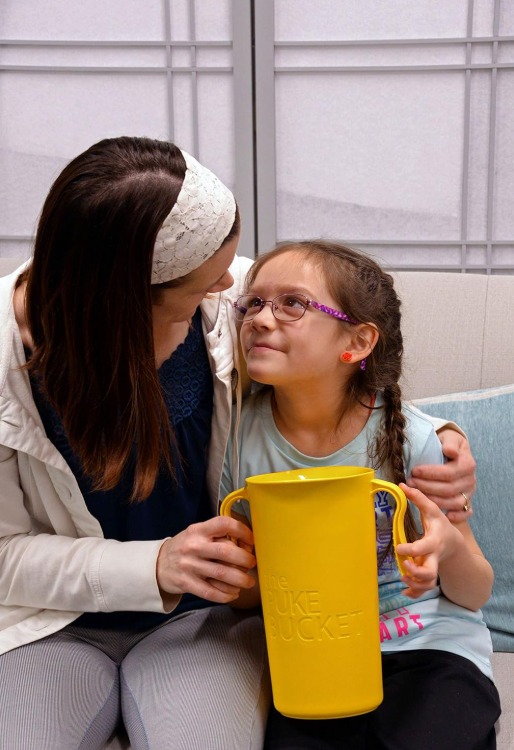
Put a container in their lap or hands. Children rarely reach the bathroom in time, so the container should be in place before anything else. This is where a dedicated bucket earns its keep. More on what to look for below.
- Stay close and keep your voice low. Children take their emotional cue from the adult beside them. A calm tone, a hand on the back, and a simple reassurance that being sick is okay will settle them faster than questions will.
- Keep the lights dim. Bright light wakes a child fully, which makes nausea feel worse and sleep harder to return to.
- Wipe their face and mouth with a cool, damp cloth once they finish, and change them out of soiled clothing.
- Rest the stomach for 15 to 30 minutes. Offering a drink straight away often triggers another round. The fluid plan below starts once this window has passed.
Before settling back down, check the warning signs later in this article against how your child looks and behaves.
Why kids vomit suddenly at night
Vomiting with no warning has several common explanations. Knowing which one fits helps you decide how closely to watch your child.
Stomach bugs and food poisoning.
This is the most common cause. Tummy bugs in young children are almost always viral, and they spread easily through daycares and schools. Vomiting often arrives first, with diarrhea following hours later. Food poisoning follows a similar pattern, usually linked to something eaten earlier in the day. It tends to start within hours of the meal and often affects everyone who ate the same food, while a virus usually spreads from person to person over days.
Coughing.
A hard coughing fit can trigger the gag reflex. Colds, croup, and asthma are typical companions, and coughs tend to worsen when a child lies flat, which is why this cause peaks at night.
Post-nasal drip.
Mucus from a cold or allergies drains down the back of the throat during sleep. The irritation causes gagging and vomiting, typically without fever or diarrhea. A stuffy or runny nose is the main clue, and the child often seems well immediately afterward.
Other infections.
Ear infections, throat infections, and urinary tract infections can all cause vomiting in children, often alongside fever or pain. Vomiting that comes with a high temperature, ear-pulling, a sore throat, or pain when urinating is worth a doctor's assessment even when it looks like an ordinary tummy bug.
Reflux.
Lying flat lets stomach contents travel upward more easily. It is most likely after a large or late meal, and it tends to recur rather than happen once.
Anxiety.
Stress about school, a change in routine, or a bad dream can upset a child's stomach. Repeated vomiting with no fever, diarrhea, cough, or other signs of illness points in this direction, and it is worth raising with a pediatrician.
The pattern matters more than the single event. Several episodes, fever, or diarrhea suggest infection. One episode alongside a cough or blocked nose suggests coughing or drip. Vomiting that keeps returning without any other symptoms suggests reflux or anxiety.
When to call a doctor or go to the ER
Get emergency help now (call 911 or go to the ER) if your child:
- Is very hard to wake, extremely drowsy, limp, or confused
- Is pale, blue around the lips, mottled, or unusually cold to the touch
- Has a rash that doesn't fade when you press a glass against it
- Has a stiff neck
- Has green or blood-stained vomit
- Is vomiting after a head injury
- Has severe belly pain that won't ease up
- Has a seizure
Call your doctor or an urgent care line the same day if your child:
- Can't keep any fluids down
- Is drinking much less than normal
- Shows signs of dehydration: sunken eyes, dry lips or tongue, no urine for 8 to 12 hours, or unusual drowsiness
- Has blood in their stool
- Has tummy pain that hasn't eased after a day
- Keeps vomiting and it won't stop
- Is a baby under 3 months with a fever
Babies and toddlers dehydrate faster than older children, so the threshold for calling is lower for them, and any doubt about a baby is reason enough to call. A concern that isn't on this list is still a valid reason to call.
Information to have ready. A clinician will ask when the vomiting started, how many times it has happened, what the vomit looked like, whether there is a fever or diarrhea, how much your child has drunk, and when they last passed urine. Noting times as you go takes seconds and makes the call faster and more useful. A note on your phone is enough, and so is a scrap of paper by the bed.
Getting fluids back in
The aim is to replace what has been lost without overwhelming an irritated stomach.
Start tiny.
Offer a teaspoon or a small sip every few minutes, using a spoon, syringe, or narrow cup. Increase gradually once each amount stays down.
Use an oral rehydration solution (ORS).
Sold at drugstores and most grocery stores (Pedialyte or a store brand). ORS balances water, salts, and sugar so the body absorbs fluid more effectively than it does from water or juice. If your child won’t drink it, try a different flavor or freeze it into ice pops.”
Keeping up breast milk or formula.
Babies should keep nursing or taking formula in smaller, more frequent amounts. Older children can keep drinking milk if it stays down.
Pause and restart if it comes back up.
Wait a short while, then return to the smallest sips.
Skip fizzy drinks and undiluted juice.
Fizzy drinks are specifically advised against, and both can worsen an upset stomach.
Tracking intake.
Fluid that stays down matters more than the total poured in. Watch for urine output as the simplest indicator that hydration is on track: fewer wet diapers or bathroom trips is an early signal.
Surviving the rest of the night
A stomach bug can last for hours or even a few days, so prepare the room for repeat episodes.
Double-make the bed.
Layer a waterproof protector, a fitted sheet, then a second protector and sheet on top. The soiled top layer peels away and a clean bed remains underneath.
Put a towel over the pillow.
Towels swap faster than pillowcases and absorb more.
Set out the essentials within reach.
A night-light, a cup of ORS for small sips, fresh pajamas, and spare towels.
What to look for in a bedside bucket for throwing up
A designated bucket for capturing sickness decides how manageable the rest of the night is, and a household container is a compromise on most of the points that matter. Even the hospital-style emesis basin falls short at home, since it’s built for a nurse to hold, not a sleepy child. Five qualities separate a purpose-built bucket from a substitute.
Visibility.
A nauseous child needs to locate the container in seconds, often with the lights off. Dark plastic and white bowls blend into carpet and bedding, while a bright contrasting color removes the need to search.
Grip.
Smooth, straight-sided containers are hard for small hands to hold, particularly when a child is shaky. Handles let a child hold the bucket steady without an adult's help.
Stability.
A wide base and solid walls keep it upright on a mattress, a rug, or a hard floor.
Depth and opening.
Deep enough to contain splash, wide enough to aim into.
Cleanability.
Smooth, non-porous walls rinse and disinfect quickly and don't hold odor.

Checks every box
That's the checklist The Puke Bucket® was built around.
- ✅Visibility: bright yellow, easy to find with the lights off
- ✅Grip: a handle on each side that small hands can hold
- ✅Stability: handles double as hooks for a bed rail or headboard
- ✅Depth: 3 liters, about 4× a hospital basin, with a removable splash guard
- ✅Cleanability: BPA-free and dishwasher-safe under 149°F
Parents in Amazon reviews say a four-year-old can hold it on their own, and that it rinses clean under hot water.
Shop The Puke Bucket →Puke. Rinse. Repeat.
Setting up and using the bucket
Place it on the floor beside the bed, on the side your child sleeps on, close enough to reach without sitting fully up. Keep it on a stable, flat surface so it can't tip when a child leans toward it. For a younger child, keep it within your own reach too, since you will be the one holding it during an episode.
If your child sleeps in a bunk or a bed with a rail, hang the bucket by its handles from the rail or headboard. It stays in reach, can’t be kicked over, and is right there when they sit up.
Introducing the bucket to your child
A child who has met the bucket in daylight is far more likely to use it without fuss when they feel sick. Let them hold it, look at the handles, and carry it from the bed to the door and back. Explain in plain words that it is there for when their tummy feels bad, and that using it is exactly what it is for. Children who expect to feel embarrassed or frightened often hold back until it is too late, so a matter-of-fact introduction makes a real difference. Older children can be left to manage it themselves once they know where it lives.
Cleaning and storing the bucket
Empty it, rinse it with hot water, and wash it in hot, soapy water. Disinfect it, rinse again, and let it dry fully before storing it, because a bucket put away damp holds odor. Wear gloves if you have them, and wash your hands afterward. Store it somewhere you can reach quickly, such as a bathroom cupboard or the space under the bed, and check that it is clean and ready once a stomach bug has passed through the house.
The Morning After Vomiting All Night
Food.
Start with plain foods such as toast, crackers, rice, or pasta once your child is hungry. Leave greasy, sugary, and spicy foods for another day. Drinking matters more than eating, and it is fine if solid food is refused for now.
Medicine.
Don’t give anti-diarrhea medicine to children unless your pediatrician recommends it.
How long it lasts.
Vomiting usually lasts one to two days, and diarrhea about five.
Returning to school.
The widely used rule is that children stay out of nursery or school until 48 hours after the last episode of vomiting or diarrhea, because the virus can still spread during that time. Schools set their own policy, so confirm what yours requires.
Cleaning up.
Wash hands with soap and water after using the toilet, after changing diapers, and before touching food, and don't share towels. Wash soiled bedding on hot.
FAQs: Nighttime Vomiting in Kids
Is a stomach bug the same as the flu?
No. Influenza is a respiratory virus. The term "stomach flu" usually describes gastroenteritis, which is caused by other viruses and affects the digestive system.
Can my child go back to sleep after vomiting?
Yes, once the vomiting has settled. Keep them on their side, with the container within reach.
Should I call the doctor for a single episode?
A single episode with no other symptoms usually does not need a call. Use the warning signs above as your guide, and call if you are worried.
What’s the best thing for a child to throw up in at night?
A container that’s bright, deep, and has handles they can hold. Kitchen bowls are shallow and slippery, and trash cans are awkward. The Puke Bucket® is designed for exactly this.

The Puke Bucket®
Designed for the middle of the night.
- Bright yellow: easy to find in the dark, and hard to mix up with kitchen bowls
- Handles: one on each side, sized for a child to hold on their own
- Hooks: the handles hang from a bed rail, headboard, door handle, or car seat
- Capacity: 3 liters, about 4× a standard hospital basin
- Splash guard: a removable anti-splash back apparatus
- Shape: curved to fit comfortably around the face
- Weight: just 1.1 pounds
- Material: BPA-free polypropylene
- Care: dishwasher safe (under 149°F), or hand wash with dish soap
- Reusable: no disposable bags to keep restocking
A sick night is hard enough without hunting for something to hold. Keep a bright, easy-to-find bucket by your child's bed before the next stomach bug hits. The Puke Bucket® has handles small hands can grip, a removable splash guard, and a bright yellow color you can spot in the dark.
Puke. Rinse. Repeat.